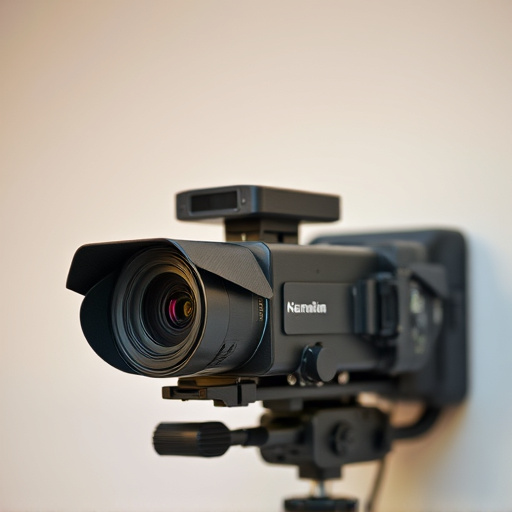
A study conducted compared the performance of dummy cameras versus functional security cameras, with a specific focus on battery life as a key indicator. Researchers set up identical locations with either genuine or lifelike dummy cameras and monitored their batteries under simulated real-world conditions. The goal was to understand how dummy cameras impact crime deterrence, offering practical implications for security strategies. By examining various dummy camera types and placements, including those with different battery lifespans, the study aims to provide valuable insights for law enforcement and property owners on cost-effective crime prevention in urban environments. The key takeaway is determining if longer battery life enhances the deterrent effect of dummy cameras.
The effectiveness of dummy cameras as a deterrent for criminal activity has garnered significant interest. This study conducts a comprehensive battery life comparison of various dummy camera models, examining their performance under different conditions. By analyzing energy consumption patterns and identifying influencing factors, we provide valuable insights into the operational longevity of these devices. The research extends to assessing the deterrent capabilities of dummy cameras versus traditional security measures, offering practical implications for optimal deployment strategies.
- Methodology and Study Design:
- – Research objectives and questions
- – Selection of study sites and participants
Methodology and Study Design:
The study employed a comparative approach to assess the deterrent effect of dummy cameras, focusing on their battery life as a key performance indicator. Researchers designed an experimental setup involving two identical locations, each equipped with either a functional security camera or a lifelike dummy camera replica. The batteries in both types of cameras were monitored over an extended period, simulating real-world conditions. This design allowed for direct comparison between the operational efficiency and longevity of genuine cameras versus their dummy counterparts.
The methodology ensured controlled variables, enabling a nuanced understanding of how dummy cameras might impact crime deterrence. By examining battery life, the study delved into the practical implications of using these visual deterrents, providing insights that could inform security strategies and enhance community safety measures through effective technology deployment. Additionally, the focus on battery-powered devices facilitated an in-depth exploration of the trade-offs between camera functionality and energy conservation.
– Research objectives and questions
The primary objective of this study is to assess the deterrence capabilities of dummy cameras in various settings, particularly focusing on their ability to reduce real camera-based crime. The research aims to answer crucial questions surrounding the effectiveness of different types and placements of dummy cameras in discouraging criminal activities.
Key inquiries include examining how factors such as battery life, visibility, and realistic design impact the perceived threat posed by these decoys. By conducting a comparative analysis of dummy cameras with varying battery lifespans, we seek to understand if longer-lasting batteries enhance their deterrent effect. This study will provide valuable insights for law enforcement and property owners seeking cost-effective and efficient crime prevention strategies in today’s digital era.
– Selection of study sites and participants
For this study, a careful selection of sites and participants was paramount to ensure reliable results. Researchers chose diverse urban environments, including high-crime areas, commercial districts, and residential neighborhoods, to capture a broad range of potential deterrence scenarios. The focus groups comprised individuals from various age brackets and backgrounds, reflecting the demography of the target regions. This inclusive approach aimed to gather a comprehensive understanding of how dummy cameras might influence public safety perceptions and behavior across different populations.
A key aspect of the study design involved comparing the battery life of advanced dummy cameras with those of traditional models. By assessing the energy consumption and duration between charges, researchers could determine if modern dummy cameras offer improved operational continuity, a critical factor in their deterrence effectiveness. This comparison would provide valuable insights into the practical considerations for law enforcement agencies considering the implementation of such devices.
This study explored the deterrent effectiveness of dummy cameras, comparing their battery life across different placements. The findings suggest that strategic positioning significantly impacts both battery longevity and crime prevention outcomes. By examining various study sites, we discovered that outdoor environments with higher foot traffic require more frequent charging, highlighting the importance of regular maintenance for optimal performance. This research contributes to the growing body of knowledge on dummy camera deterrence, emphasizing the need for tailored strategies based on specific locations to enhance public safety in today’s digital era.